 FITSTUD.IO
Why Your Training Might Feel “Stuck” Despite Doing Everything Right
You’re training consistently. You’re eating enough protein. You’re following a solid program.
But progress feels slower than it should, soreness lingers, and strength gains come and go.
Most lifters assume the answer is more volume, better exercises, or another supplement. In reality, one of the biggest drivers of muscle repair happens when you’re not lifting at all—while you’re asleep.
Understanding growth hormone and muscle recovery can completely change how you think about progress, recovery, and long-term results.
The Real Role of Growth Hormone in Muscle Recovery
Growth hormone (GH) is a naturally occurring hormone released by your pituitary gland. While it’s often associated with growth during childhood, its real value for adults is tissue repair and recovery.
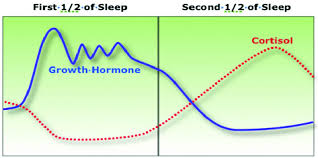
During deep sleep, your body releases the largest pulses of growth hormone you’ll get all day. This release supports:
- Muscle tissue repair after training
- Protein synthesis and connective tissue recovery
- Fat metabolism and energy regulation
- Overall recovery capacity between sessions
Here’s the key point most people miss:
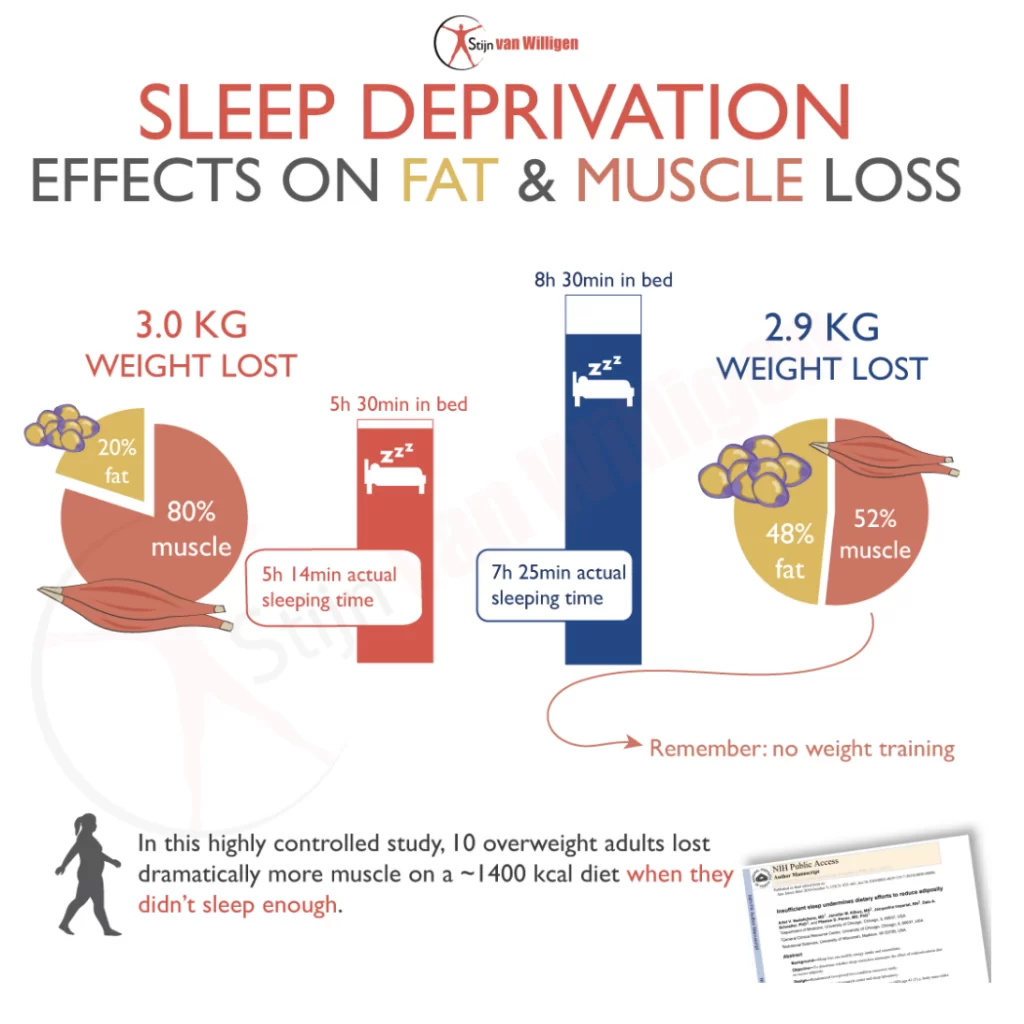
Growth hormone release is driven more by sleep quality than sleep duration.
You don’t “earn” growth hormone by training harder. You unlock it by recovering better.
Why Deep Sleep Is the Prime Time for Growth Hormone Release
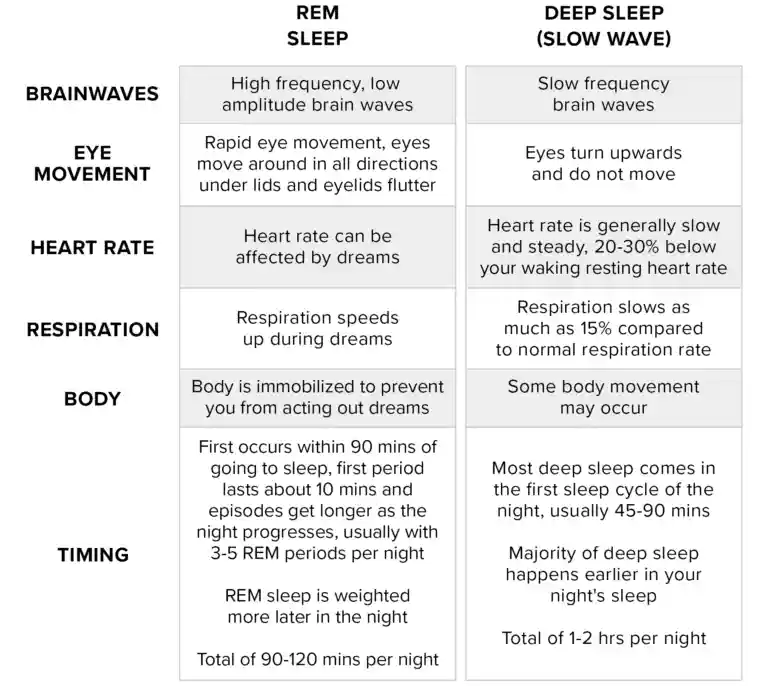
Sleep happens in cycles, moving through lighter stages, deep sleep, and REM sleep. Growth hormone is released most heavily during slow-wave sleep, often called deep sleep.
This is when your nervous system shifts into full repair mode.
During this stage:
- Blood flow to muscles increases
- Muscle protein breakdown slows
- Tissue repair and rebuilding accelerate
If deep sleep is disrupted—by stress, screens, alcohol, or inconsistent schedules—growth hormone release drops, even if total sleep time looks fine on paper.
That’s why two people sleeping seven hours can recover very differently.
How Growth Hormone and Muscle Recovery Affect Your Training Results
If growth hormone release is limited, recovery suffers in subtle but meaningful ways.
You may notice:
- Persistent soreness that doesn’t match training volume
- Slower strength progression on compound lifts
- Lower energy during sessions
- Trouble leaning out despite good nutrition
On the flip side, when sleep supports optimal growth hormone release, training feels smoother. You recover faster, handle more quality volume, and maintain momentum across weeks instead of burning out.
How to Support Growth Hormone and Muscle Recovery
Build a Consistent Sleep Window
Growth hormone release follows a circadian rhythm. Going to bed at wildly different times confuses that rhythm.
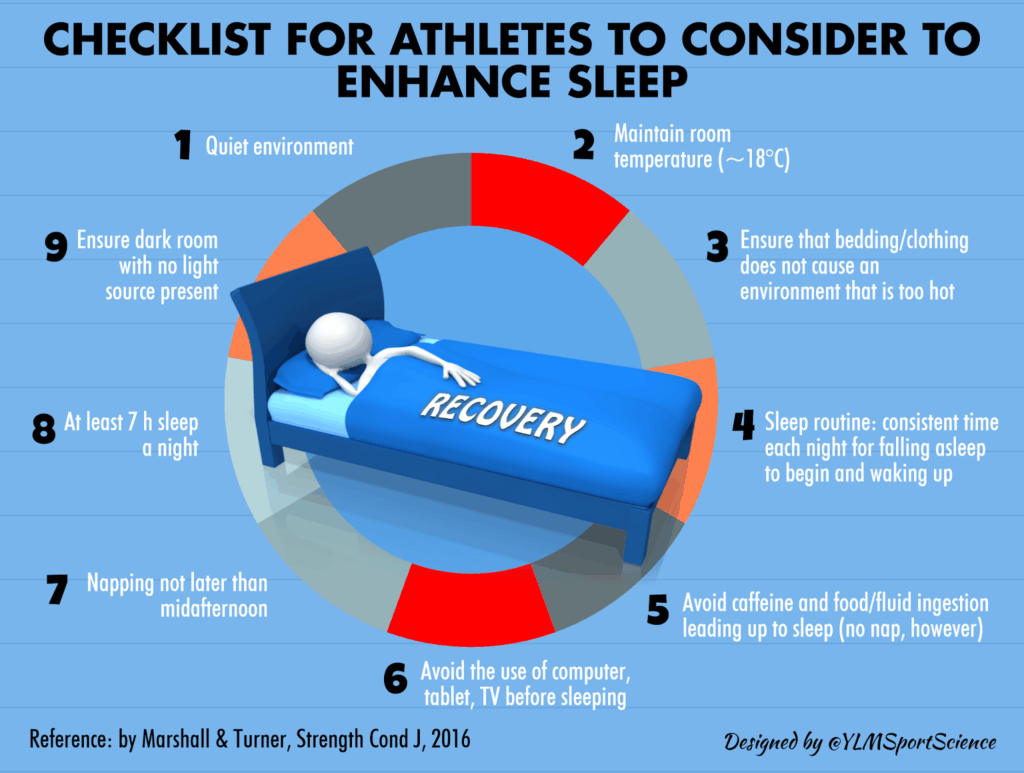
Aim for a consistent sleep window, even on weekends. This doesn’t mean perfection—just narrowing the range.
If you train hard with lifts like squats, deadlifts, or bench press multiple times per week, consistency here directly supports recovery between sessions.
Optimize Your Pre-Bed Environment
Deep sleep is sensitive to your surroundings.
Lowering light exposure an hour before bed helps signal your body that it’s time to shift into recovery mode. Dimming overhead lights, limiting phone use, and keeping the room slightly cool can significantly improve sleep depth.
Better sleep depth means better growth hormone and muscle recovery, without changing anything in your training plan.
Time Your Training Intensity Smarter
Hard training increases your need for deep sleep. That’s a good thing—if sleep quality is there to match it.
Heavy lower-body days, high-volume hypertrophy sessions, or intense finishers all place a higher demand on recovery systems. Pairing those days with poor sleep habits is where progress stalls.
If you’re running a structured strength or hypertrophy program, this is where sleep becomes a performance tool, not just rest.
For a deeper look at managing training effort, you could link here to your guide on RPE and autoregulation for smarter programming.
Eat to Support Overnight Recovery
Nutrition sets the stage for what growth hormone can do overnight.
A balanced evening meal with protein supports muscle repair while you sleep. Carbs can help reduce stress hormones that interfere with deep sleep, especially if you train later in the day.
This isn’t about complicated protocols—just supporting recovery instead of fighting it.
Where Lifters Go Wrong with Growth Hormone and Muscle Recovery
One common mistake is believing that supplements or extreme routines can “hack” growth hormone. While certain habits support healthy hormone function, nothing replaces quality sleep.
Another issue is trying to outwork poor recovery. Adding volume, intensity, or extra sessions when sleep is inconsistent often leads to stagnation, not growth.
Finally, many lifters underestimate how stress affects sleep depth. Mental load, irregular schedules, and constant stimulation all blunt the very recovery signals you’re trying to improve in the gym.
Fixing these doesn’t require doing more—it requires doing less, better.
Bringing It All Together for Long-Term Progress
Growth hormone and muscle recovery aren’t flashy topics, but they are foundational. You don’t need perfect sleep to make progress—but you do need enough quality sleep to recover from the work you’re asking your body to do.
When sleep improves, recovery improves. When recovery improves, training becomes more productive instead of exhausting.
If you want to build muscle, get stronger, and stay consistent long term, start treating sleep as part of your program—not something that happens after it.
What’s your biggest struggle with recovery right now—sleep, stress, or consistency?
Become a member to get structured training, recovery guidance, and support that helps you train smarter and recover better.

Should You Train When You Don’t Feel Like It? A Coach’s Honest Answer
The Question Every Lifter Eventually Faces Have you ever stood in your gym clothes, staring at the clock, hoping motivation

How Long Does It Really Take to Build a Fitness Habit?
How long does it take to build a fitness habit? Learn the real timeline, common mistakes, and proven strategies to stay consistent long term.