 FITSTUD.IO
The Science of Movement Quality: How Coaches Can Train Smarter, Not Just Harder
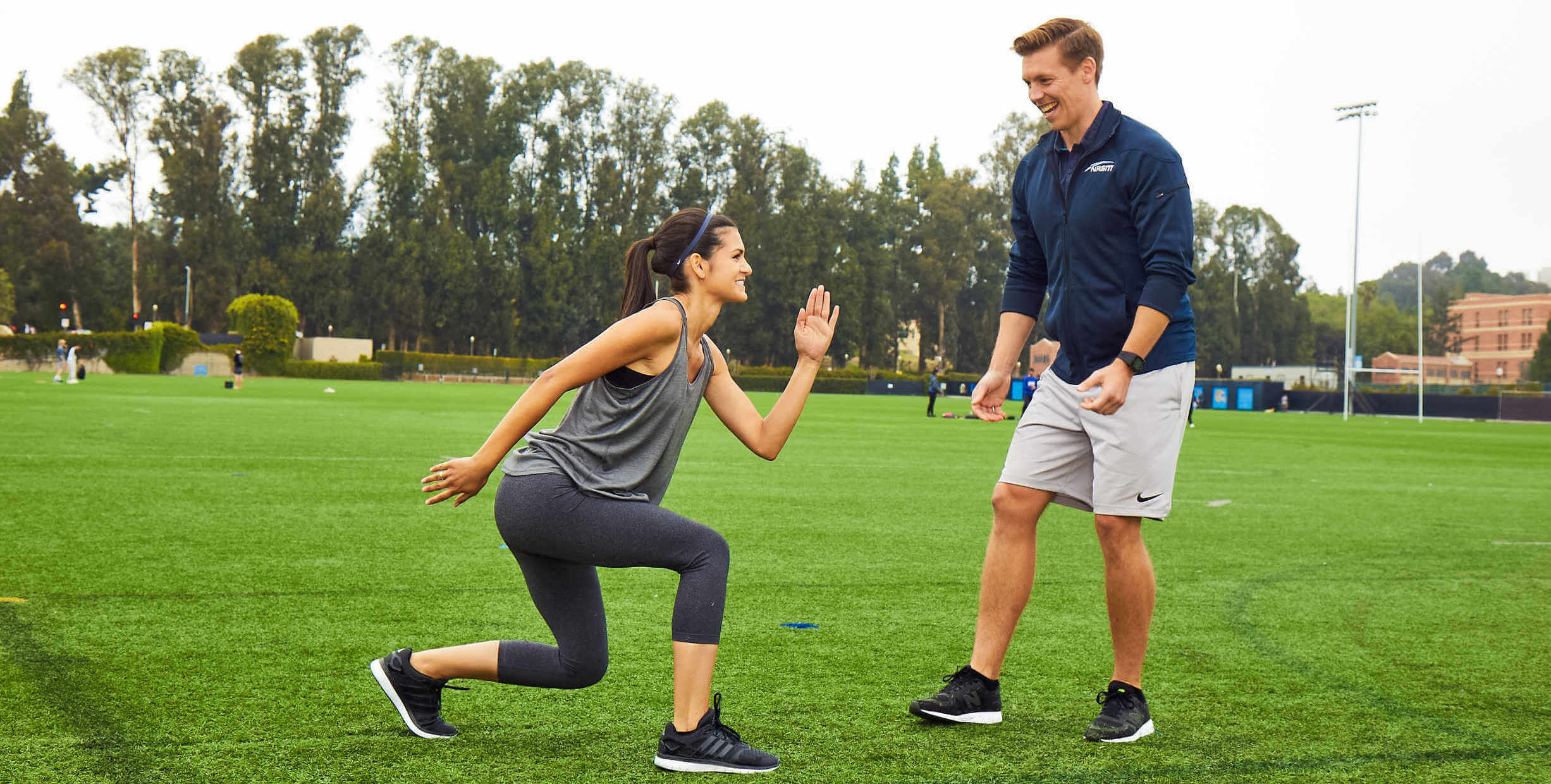
Why Movement Quality Matters More Than Ever
In a fitness culture obsessed with more—more load, more intensity, more sweat—movement quality often takes a backseat. But as any experienced coach knows, the athletes and clients who last the longest aren’t the ones who train the hardest—they’re the ones who move the best.
As a coach who’s worked across basketball, soccer, baseball, and strength training, I’ve seen one constant truth: performance and longevity depend on how someone moves, not just how much they can do.
Movement quality is the foundation of every rep, sprint, and jump. It’s what allows an athlete to express strength safely, recover faster, and perform consistently over time.
The Science of Movement Quality
At its core, movement quality is about the harmony between mobility, stability, and motor control—three elements that determine how efficiently and safely a body moves.
Mobility
Mobility is more than flexibility. It’s controlled range of motion. A joint isn’t truly mobile unless the athlete can control it through its range. That control is what separates effective mobility drills from aimless stretching.
Stability
Stability means the ability to resist unwanted motion. In coaching terms: it’s how well a joint or body segment maintains alignment under load or speed. Think of it as the anchor that allows other parts to move freely.
Motor Control
Motor control ties it all together. It’s the brain’s ability to coordinate movement patterns efficiently—balancing strength, timing, and feedback. When an athlete has poor motor control, even “strong” movements can be inefficient or dangerous.
Image idea: athlete performing a single-leg Romanian deadlift with perfect alignment
Alt text: “Trainer demonstrating movement quality and balance control during single-leg RDL”
Common Gaps in Traditional Training
Even among professionals, it’s easy to overlook movement quality in favor of visible performance markers—weight lifted, distance covered, calories burned. But this approach often hides deeper movement issues that eventually limit progress or cause injury.
Overemphasis on Load
Many clients and athletes progress strength faster than they progress movement control. Without the foundation of mobility and stability, strength gains become a ticking time bomb for compensation and injury.
Neglecting Movement Prep
Warm-ups are often treated as “optional” or rushed. But these first minutes of a session are crucial for reinforcing quality—activating key stabilizers, priming range of motion, and sharpening movement awareness.
Cues vs. Corrections
Trainers sometimes over-coach verbally and under-coach visually. The goal isn’t to overwhelm clients with cues—it’s to teach them why a position matters so they can self-correct over time.
Pro Tip: Film your clients performing core lifts or athletic movements. A short video review can reveal compensations the eye misses in real time.
Assessing and Coaching Movement Quality
Movement assessments don’t need to be complex or clinical. You’re not diagnosing—you’re observing patterns. The goal is to see how someone organizes movement, then coach accordingly.
Simple Screening Tools
- Overhead squat test: reveals mobility and stability limitations in multiple joints.
- Single-leg balance or hinge: tests hip control and core stability.
- Shoulder reach test: highlights thoracic mobility and scapular control.
Image idea: coach assessing a client’s overhead squat
Alt text: “Personal trainer assessing movement quality through an overhead squat test”
Sport & Context Examples
- A basketball player with tight hips loses lateral quickness.
- A baseball player with poor thoracic rotation sacrifices throwing velocity.
- A soccer player lacking ankle mobility can’t decelerate efficiently.
As someone who’s coached across these sports, I’ve learned that the best corrective is contextual. The goal isn’t to isolate movement—it’s to integrate it back into sport or training demands.
Programming for Mobility and Control
Good programming doesn’t separate “training” from “mobility work.” They’re part of the same continuum. You can build movement quality within strength and conditioning sessions without losing performance focus.
Warm-Up: Rehearse the Pattern
Use the warm-up to groove quality. Include mobility drills that directly prepare the patterns you’ll load later.
Examples:
- World’s Greatest Stretch → front squat prep
- 90/90 hip flow → deadlift prep
- Scapular wall slides → bench press prep
Main Work: Quality Under Load
Train strength with awareness. Cue control in tempo (e.g., 3-second eccentric) and positioning (e.g., knees tracking, neutral spine).
Coaching cue: “Own the range you have before chasing more load.”
Cool-Down: Reinforce Recovery
Post-training recovery is where adaptation sticks. Teach breathing resets, low-intensity mobility work, or light movement flow to transition from stress to recovery.
Image idea: athlete performing 90/90 hip mobility exercise
Alt text: “Coach guiding client through hip mobility drills during cooldown”
Coaching the Mindset Behind Quality Movement
Technical knowledge only works if clients value it. Movement quality isn’t sexy—it’s subtle. But teaching clients to appreciate it is part of building a long-term training culture.
Shift the Focus
Encourage clients to chase control and consistency, not just intensity. Ask them,
“Can you make that rep look the same under fatigue?”
That’s real progress.
Build Awareness
Use slow tempos, pauses, or unilateral work to help clients feel where they’re compensating. When they notice it, they own it.
Make Quality the Culture
Movement quality shouldn’t live in “corrective days.” Build it into every session, every warm-up, every cue. When it becomes part of your coaching language, clients start to value it as much as load.
Smarter Coaching = Sustainable Results
The best coaches understand that longevity beats intensity.
Movement quality is the bridge between training harder and training smarter—it connects strength, mobility, and recovery into one complete system.
When you help clients move better, you’re not just preventing injuries—you’re building the foundation for performance that lasts.
So the next time you design a program, ask yourself:
“Am I training this athlete to move better—or just to move more?”
The difference defines great coaching.
Related Posts

Should You Train When You Don’t Feel Like It? A Coach’s Honest Answer
The Question Every Lifter Eventually Faces Have you ever stood in your gym clothes, staring at the clock, hoping motivation

How Long Does It Really Take to Build a Fitness Habit?
How long does it take to build a fitness habit? Learn the real timeline, common mistakes, and proven strategies to stay consistent long term.